Naming a character sounds like it should be the easy part of writing a novel. But anyone who has stared at a blank page trying to decide between "Miller" and "Marchetti" knows that surnames carry weight. A last name signals ethnicity, social class, time period, and personality before the reader finishes the first sentence.
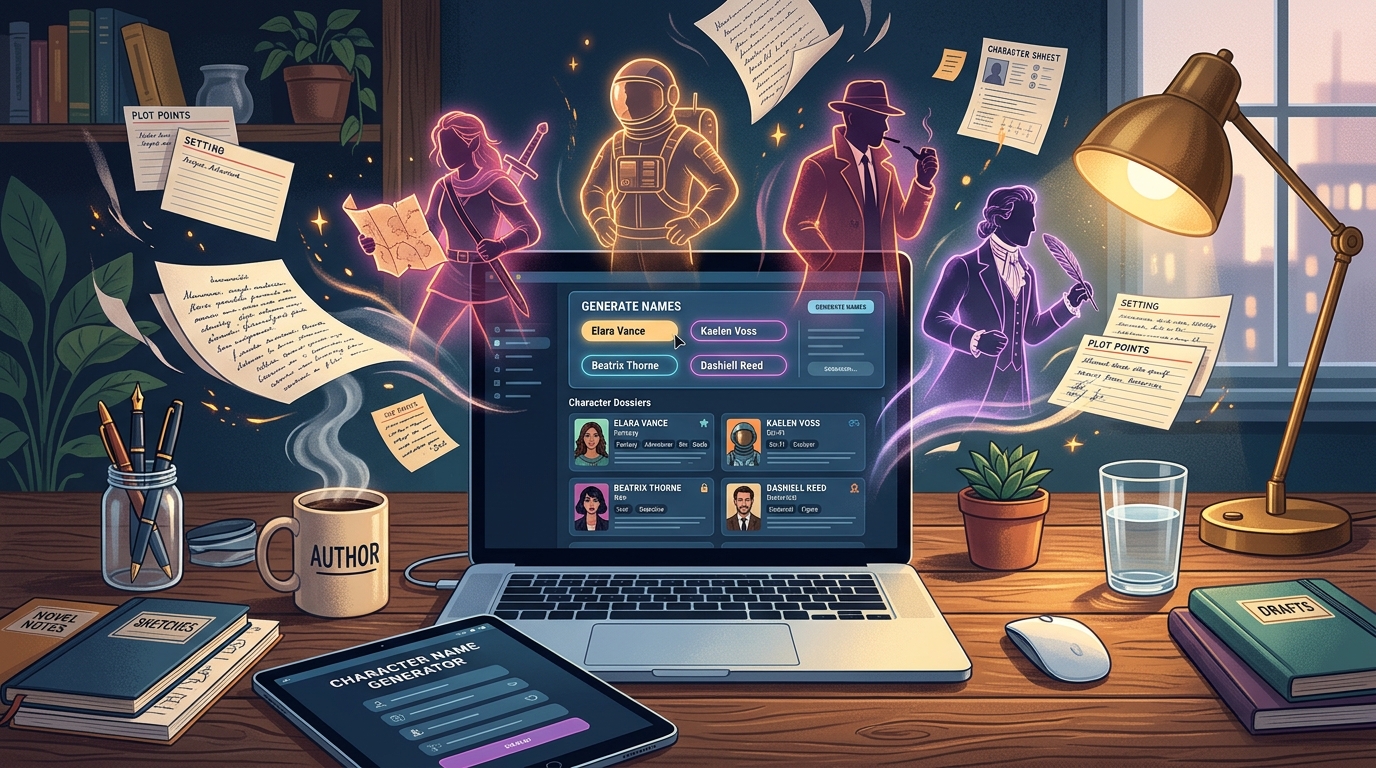
That pressure is why so many fiction writers, screenwriters, and game designers now turn to digital surname generators when building their casts. These tools remove the guesswork, offer thousands of options filtered by origin and style, and help creators land on the right name without losing an afternoon to indecision.
Why Writers Rely on Random Last Name Generators to Name Characters
A character name is often the first detail a reader encounters. It shapes expectations before a single line of dialogue appears. Choosing poorly means fighting against reader assumptions for the rest of the story. Choosing well means the character feels real from page one.
The problem is that most writers draw from a narrow pool of surnames they already know. Personal experience limits the options to names from familiar neighborhoods, workplaces, and social circles. A surname generator breaks that bubble by surfacing names from cultures, regions, and historical periods the writer might never have considered.
Speed matters too. A novelist building a cast of twenty characters cannot afford to spend hours researching each name individually. A last name picker delivers dozens of viable options in seconds, freeing the writer to focus on plot, dialogue, and character development instead of scrolling through census records.
The Real Challenge Behind Naming Fictional Characters
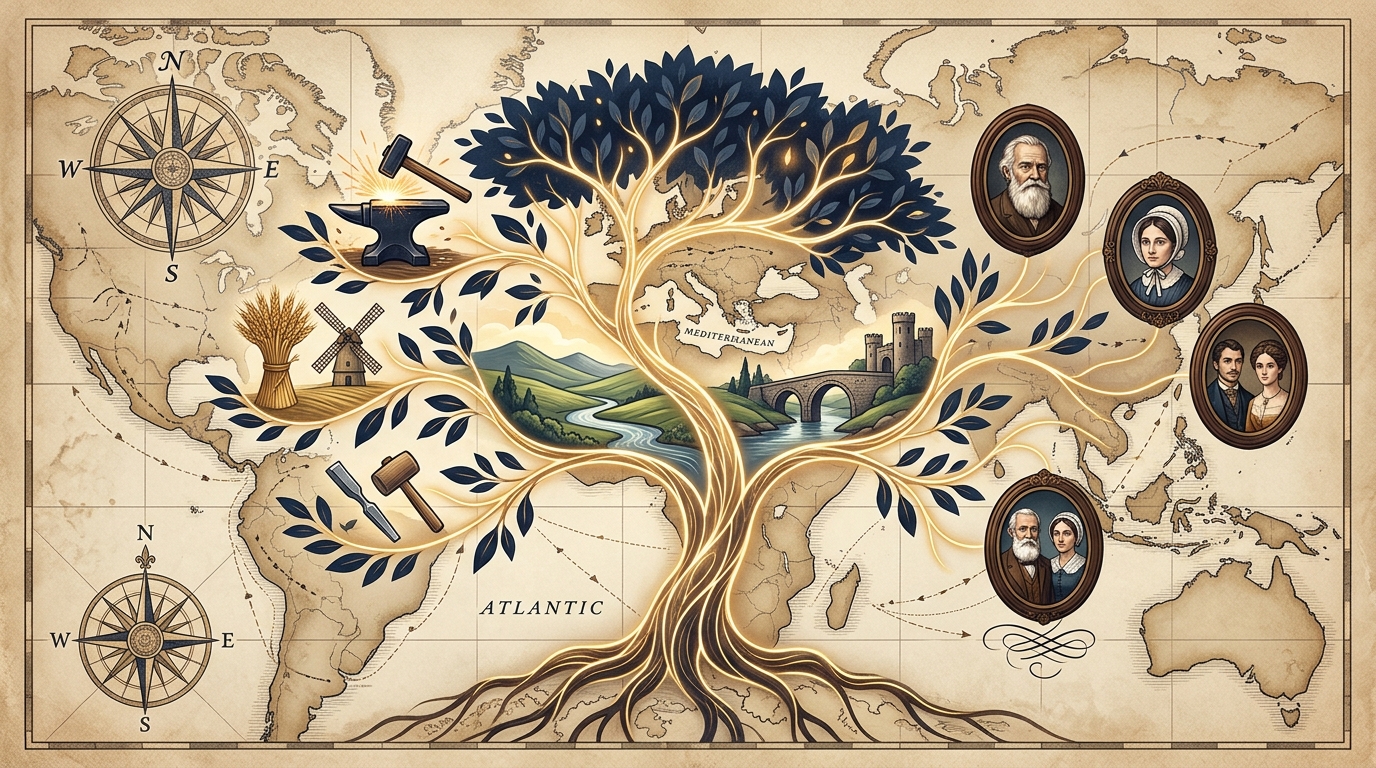
Great character surnames do more than sound good. They communicate background information without explanation. "O'Sullivan" tells the reader something different from "Nakamura" or "Volkov." Each name carries cultural context that enriches the story when chosen deliberately.
Writers also need to avoid unintentional associations. A surname that belongs to a famous public figure, a well-known brand, or a controversial historical person can distract readers and pull them out of the narrative. Checking a generated name against public records is a step that experienced authors never skip.
Phonetic considerations add another layer. The surname needs to sound right when spoken aloud. It should pair well with the chosen first name, avoid awkward rhymes, and feel natural in dialogue. A name that looks fine on paper but stumbles off the tongue weakens every scene where characters address each other.
How a Surname Generator Actually Works
Most character name generators pull from curated databases of real-world surnames organized by region, ethnicity, and language of origin. When a writer selects "Japanese surnames" or "Irish last names," the tool draws from a filtered subset and presents randomized results.
Some advanced tools go further. They allow filtering by letter, syllable count, popularity ranking, and even historical era. A writer crafting a Victorian-era mystery can request surnames common in 19th-century England and receive period-appropriate options that would take hours to compile from historical records.
Fantasy and science fiction name generators use a different approach entirely. Instead of pulling from real-world databases, they combine phonetic patterns and syllable structures to produce invented surnames that sound plausible within a fictional world.
Looking for the perfect surname for your next character? Visit our website to try a free random last name generator with thousands of surnames from dozens of cultural backgrounds. Filter by origin, style, and length to find exactly what your story needs.
Types of Name Generators Writers Rely On
Not every project needs the same kind of naming tool. The genre, setting, and tone of a story determine which type of surname picker delivers the best results.
Culture Specific Surname Generators
These tools specialize in authentic surnames tied to particular regions and ethnic backgrounds. A writer setting a novel in Seoul needs Korean family names. A story unfolding in Buenos Aires calls for Argentine surnames. Culture-specific generators provide historically accurate options that ground the narrative in a believable time and place.
Fantasy and Science Fiction Name Creators
Worldbuilding demands names that feel original but pronounceable. Fantasy surname generators combine consonant clusters, vowel patterns, and syllable rules to produce names like "Thornveil" or "Kessaren" that sound like they belong in an invented world without confusing the reader.
Science fiction variants often lean toward sharper, more clinical-sounding surnames that match futuristic settings. The best tools let writers adjust the tone and complexity to match the specific aesthetic of their universe.
Historical Period Name Generators
Historical fiction requires accuracy that modern name lists cannot provide. A character in colonial-era Virginia should not carry a surname that only emerged in the 20th century. Period-specific generators draw from historical census data, parish records, and immigration documents to deliver names appropriate to the chosen era.
When Published Authors Turn to a Name Picker Tool
Bestselling authors have spoken openly about their naming processes. Some keep spreadsheets of interesting surnames collected from obituaries, phone books, and credit sequences at the end of films. Others rely on digital generators when they need volume or variety quickly.
Screenwriters face unique naming pressures because dialogue makes surnames audible. A name that reads well in a novel might feel clunky when actors speak it repeatedly. Name generator tools that include pronunciation guides help screenwriters avoid this trap.
Game designers building role-playing worlds need hundreds of NPC names that feel consistent within a single culture. Generating names in batches from a filtered surname tool ensures cohesion across the entire game world without manual invention for every character.
Best Practices for Choosing Character Surnames
Generate a list, not a single name. Producing ten or twenty options and sitting with them for a day gives your subconscious time to react. The name that keeps pulling your attention is usually the right one.
Say the full name out loud. Pair the surname with the first name and speak it in a sentence of dialogue. "Detective Sarah Whitfield" feels different from "Detective Sarah Plonk." The rhythm and tone need to match the character and the genre.
Avoid giving major characters surnames that start with the same letter. Readers track characters partly by the visual shape of their names. Two important characters named "Martinez" and "Mitchell" will blur together in the reader's memory, especially in fast-paced scenes.
Research the name before committing. A quick search confirms that your chosen surname does not belong to a notorious figure, a trademarked brand, or a term with unintended meaning in another language. This ten-second check saves potential embarrassment after publication.
Ready to build a cast of characters with names that feel authentic and memorable? Head to our website now and explore our random last name generator. Browse by culture, genre, and era to discover surnames that bring your fictional world to life.
How the Right Surname Strengthens a Story
A carefully chosen last name does quiet work throughout a narrative. It reinforces character identity every time it appears on the page. It helps readers remember who is who in a large cast. And it adds a layer of authenticity that makes fictional worlds feel inhabited rather than invented.
Think about iconic character surnames in popular fiction. Atticus Finch. Jay Gatsby. Katniss Everdeen. Each surname feels inseparable from the character it belongs to. That fusion between name and identity is what every writer aims for, and the right naming tool makes reaching that standard faster and more consistent across an entire body of work.
Conclusion
Character naming is a craft within the larger craft of storytelling. Writers who treat surnames as an afterthought risk weakening characters that are otherwise well-developed. Those who invest thought into how writers use random last name generators to name characters consistently produce casts that feel grounded, diverse, and memorable.
Whether you write literary fiction, genre novels, screenplays, or video game narratives, a quality surname generator saves time and expands your creative options beyond what personal experience alone can provide. The tool handles the research and randomization so you can focus on what matters most, which is telling a story worth reading.